
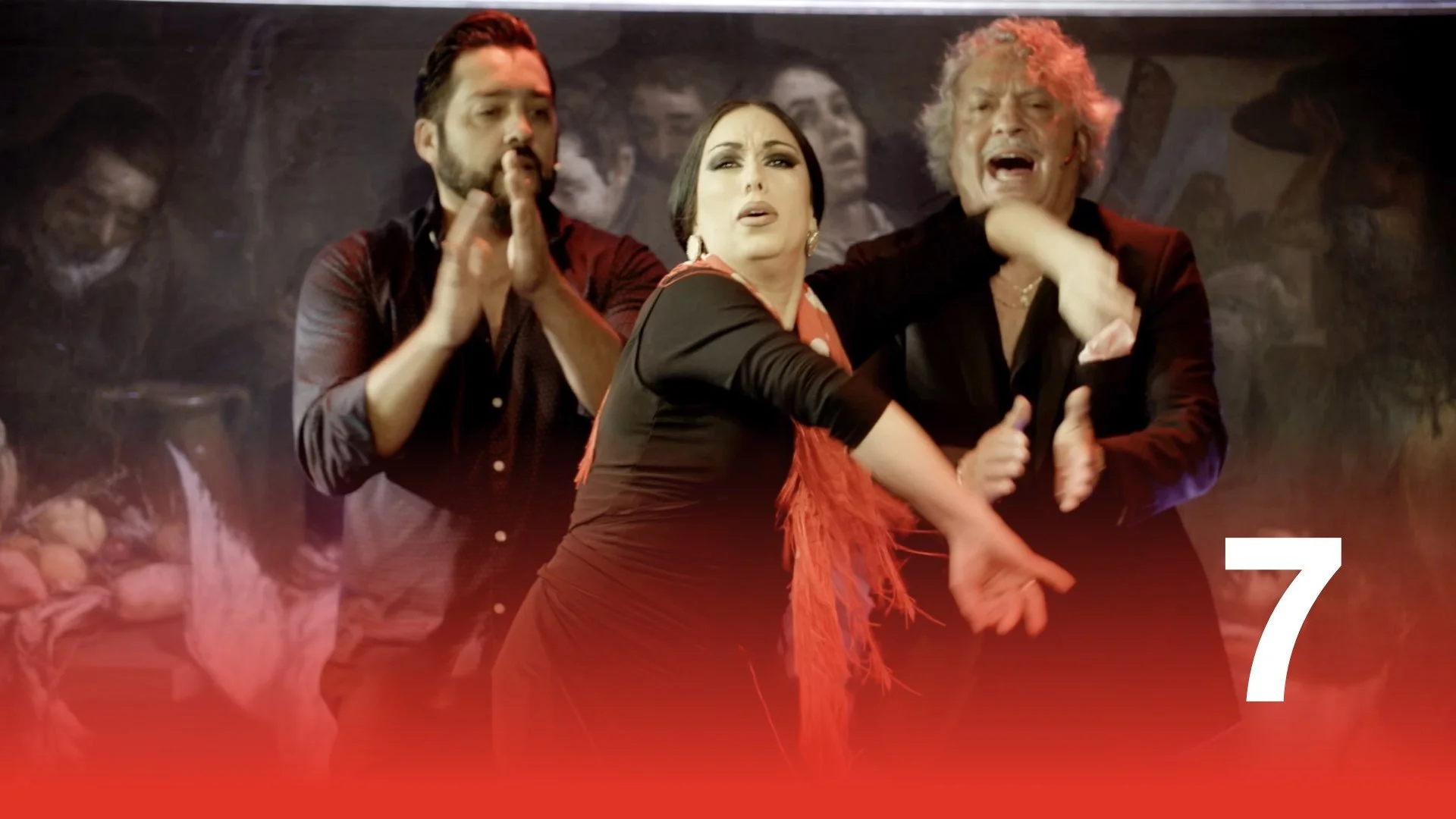
FLAMENCOPEDIA | EPISODE 7
Flamenco styles
Soleá, seguiriyas, tangos, alegrías, bulerías, fandangos… Flamenco is not a single style, but rather a family of musical forms known as palos. Each has its own character, rhythm, and way of being performed, allowing flamenco to range from depth and introspection to joy and celebration.
According to Antonia Moya, from Tablao Flamenco Las Tablas, that diversity is one of flamenco’s greatest treasures. Juan Andrés Maya, from Tablao La Carmela, compares its different styles to the branches of a single tree: they all belong to flamenco, but each has its own personality. Getting to know them allows you to better understand what’s happening on stage and to recognize why a soleá evokes such different feelings than an alegrías or a bulería.
A tree with many branches
These musical styles have evolved over time from different traditions, regions, and influences. Some are particularly associated with cante jondo, while others have a more festive character. Jonatan Miró, from Flamenco de Leones, and Pedro Córdoba, from the Centro Cultural Flamenco de Madrid, highlight precisely this variety of forms, which allows artists to choose different artistic languages depending on what they wish to express.
Cristina Soler explains that each style has certain characteristics that the performer must understand, even though they can later adapt them to their own style. Ana Romero also emphasizes this freedom within a shared set of rules: learning flamenco means understanding its codes so that you can perform it with personality.
The time signature defines each style
One of the keys to distinguishing between the different palos is their rhythmic structure. The compás organizes the singing, the guitar playing, and the dancing, and allows the artists to know where they are even when they’re improvising. For Anja Volljardt, from Café Ziryab, understanding that language takes time and careful listening, because rhythm isn’t just a musical measure—it’s part of how each style is felt.
That shared knowledge makes it possible for musicians and dancers who may not have rehearsed together to come together on stage. The musical style provides a common ground; within it, each artist decides how to navigate it.
Tradition and Evolution
Flamenco styles have not remained static. Juan Manuel del Rey and Armando del Rey, from the Corral de la Morería, highlight flamenco’s ability to evolve while staying true to its roots, while Eduardo Guerrero advocates for finding one’s own artistic language based on a deep understanding of tradition. Innovation does not necessarily mean breaking with the past, but rather knowing it well enough to be able to transform it.
That is why the palos continue to serve as the framework upon which much of today's flamenco is built. In the flamenco tablaos in Madrid, that diversity can be heard and seen every night: different rhythms, emotions, and styles of performance that all belong to the same art form.
Flamencopedia: Discover All the Episodes
"Flamencopedia " is a 15-episode series that explores flamenco through its key figures.
Episode 1: Discovering Flamenco
Episode 2: Madrid, the Capital of Flamenco
Episode 7: Flamenco Styles
Episode 11: The Guitar and Guitar Makers
Episode 12: The Rhythm and the Commotion
You might be interested in…

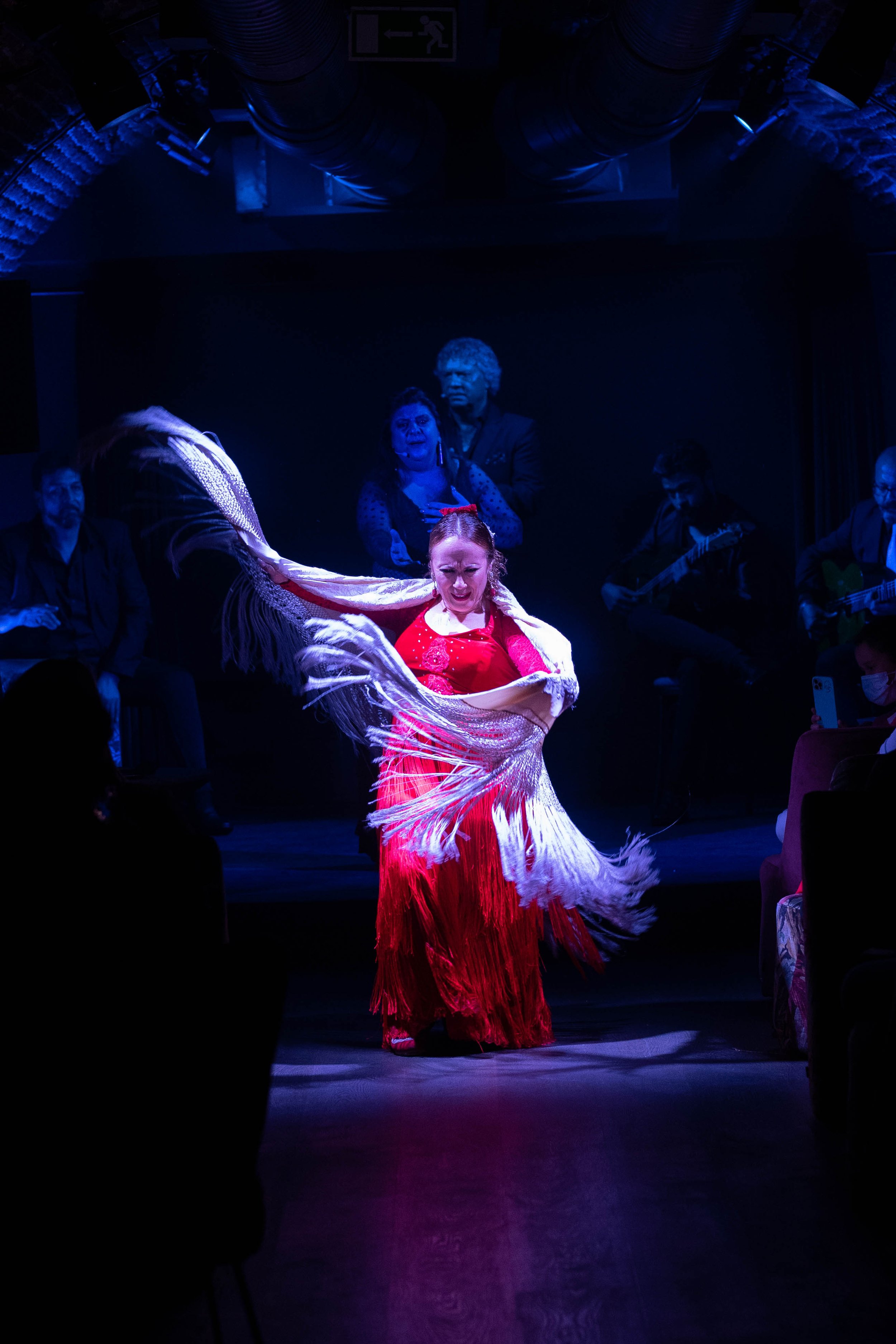
Experience Flamenco at Madrid's Tablaos
Consult the program
for flamenco shows in our tablaos.

Discover Madrid's World Heritage Sites
Visit the Community of Madrid