
Flamencopedia
The art of understanding flamenco
Keys to get into flamenco and make the most of your visit to a Madrid tablao: cante, baile, toque and accompaniment.

1. Discovering Flamenco
Flamenco was born in the south of Spain, a lively and passionate artistic expression where the tradition of different cultures, the Andalusian character and the notable influence of the gypsy people converge.

2. Madrid, the capital of flamenco
Flamenco has been a part of Madrid since its very beginnings. In its cafés cantantes and, above all, in its tablaos, key chapters in the history of flamenco have been written. 2.

3. What Is a Tablao?
The tablao is a scenic space specialized in offering flamenco art. The closeness of the audience with the artists makes them unique places to enjoy and get excited.

4. The tablaos of Madrid
The tablaos of Madrid are a school of learning, creativity and competence for flamenco artists where the warmth of the audience is an essential part of communication.

5. Singing
Singing is the vehicle of flamenco expression along with guitar and dance. The flamenco voice is unmistakable.
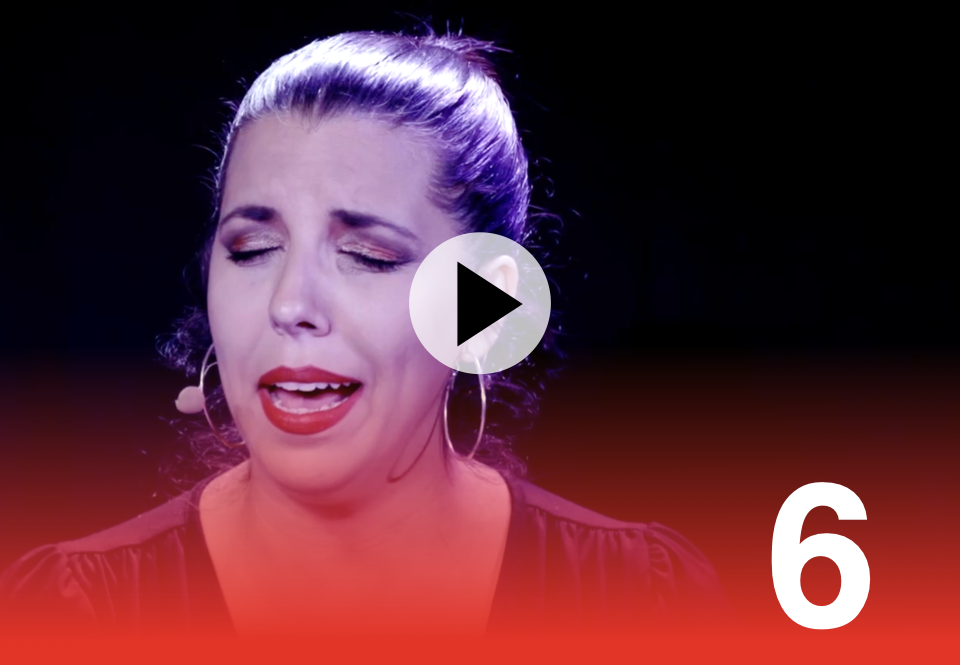
6. The "grito jondo"
When the singing is a cry, an intense lament, the term "Cante jondo" is used, an expressive form to transmit the deepest emotions.
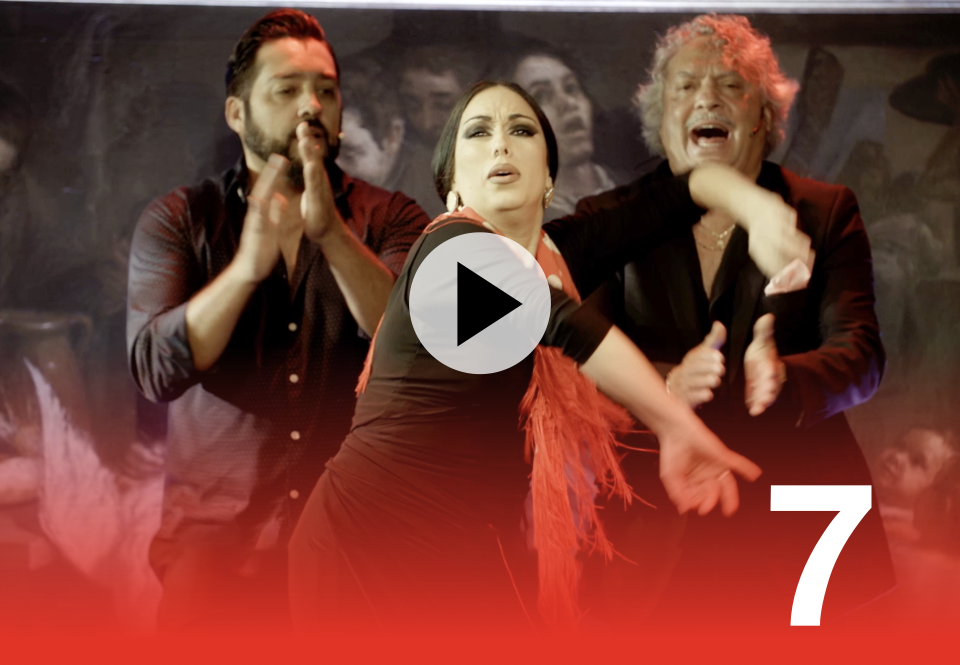
7. Flamenco Styles
There are many styles, some solemn like the solea, sad like the seguiriya and others happy and festive like bulerías or tangos.

8. The Dance
Each style of dance has its own structure, it is about interpreting the singing and the sound of the guitar with the steps and movements of the dance.

9. The Movement
Flamenco is danced with the whole body, a balance between arms, feet, hips and head, even the eyes and the heart dance.

10. The Touch
There are guitar techniques specific to the flamenco genre such as rasgueado or alzapúa.

11. The Guitar and Guitar Makers
In Madrid there is an ancient tradition of artisans of this instrument and the Madrid school of guitar makers has produced fundamental names in the history of the flamenco guitar.

12. Rhythm and Cheering
The compás is the concrete rhythm that defines the flamenco art, it is specific to each style that is interpreted and that all artists know.

13. Long Live the Show!
Cuadro flamenco is historically called the group of artists who participate together in a tablao, usually consisting of guitar, singing, dancing and percussion.

14. Culinary Culture
Flamenco and gastronomy are part of Spanish culture. In 2010, the Mediterranean diet and flamenco were both designated as Intangible Cultural Heritage of Humanity.

15. Fashion and Beauty
The flamenco aesthetics is colorful and racial, very identified with the genre but also functional for the artists to show off.
You might be interested in…

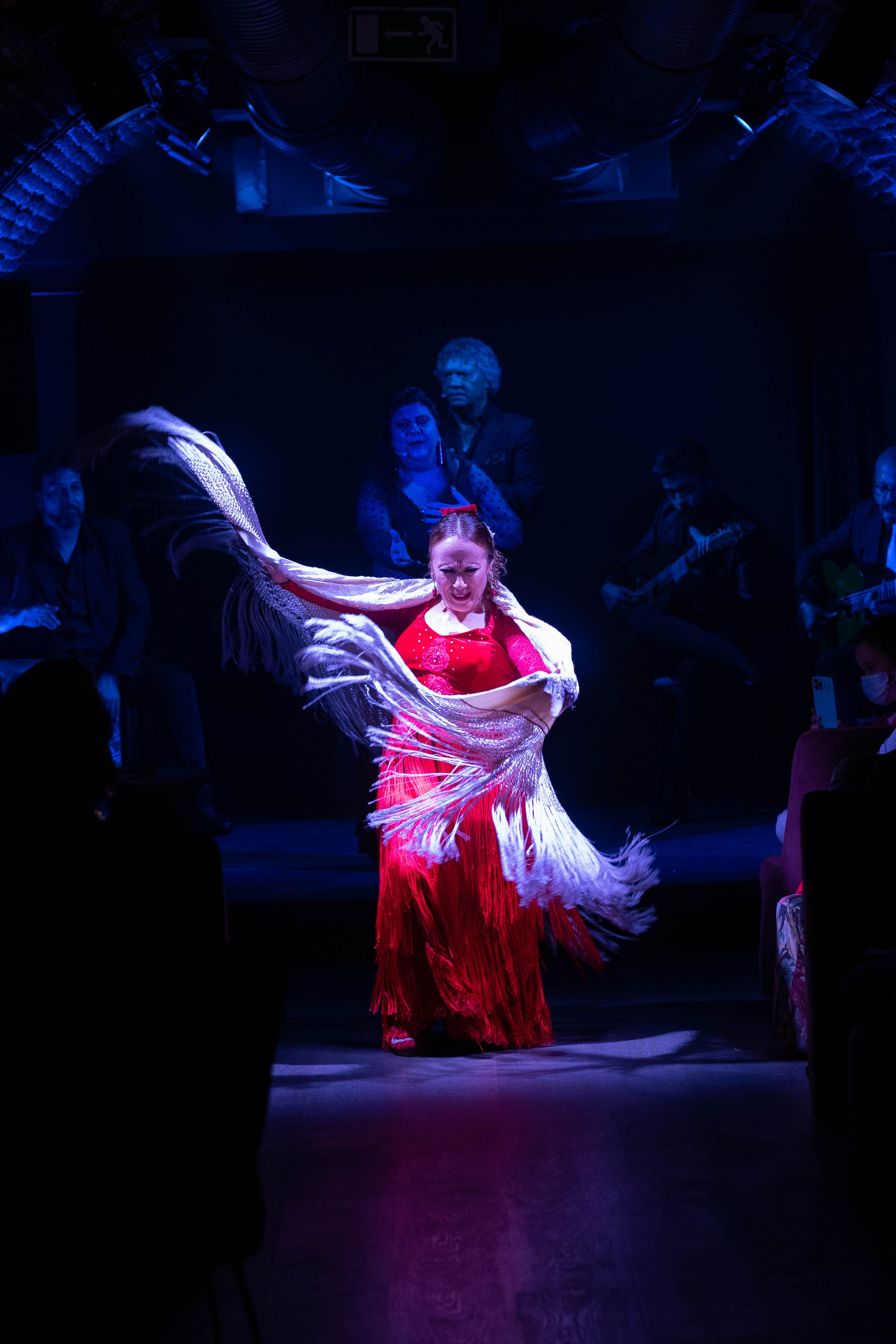
Experience Flamenco at Madrid's Tablaos
Consult the program
for flamenco shows in our tablaos.

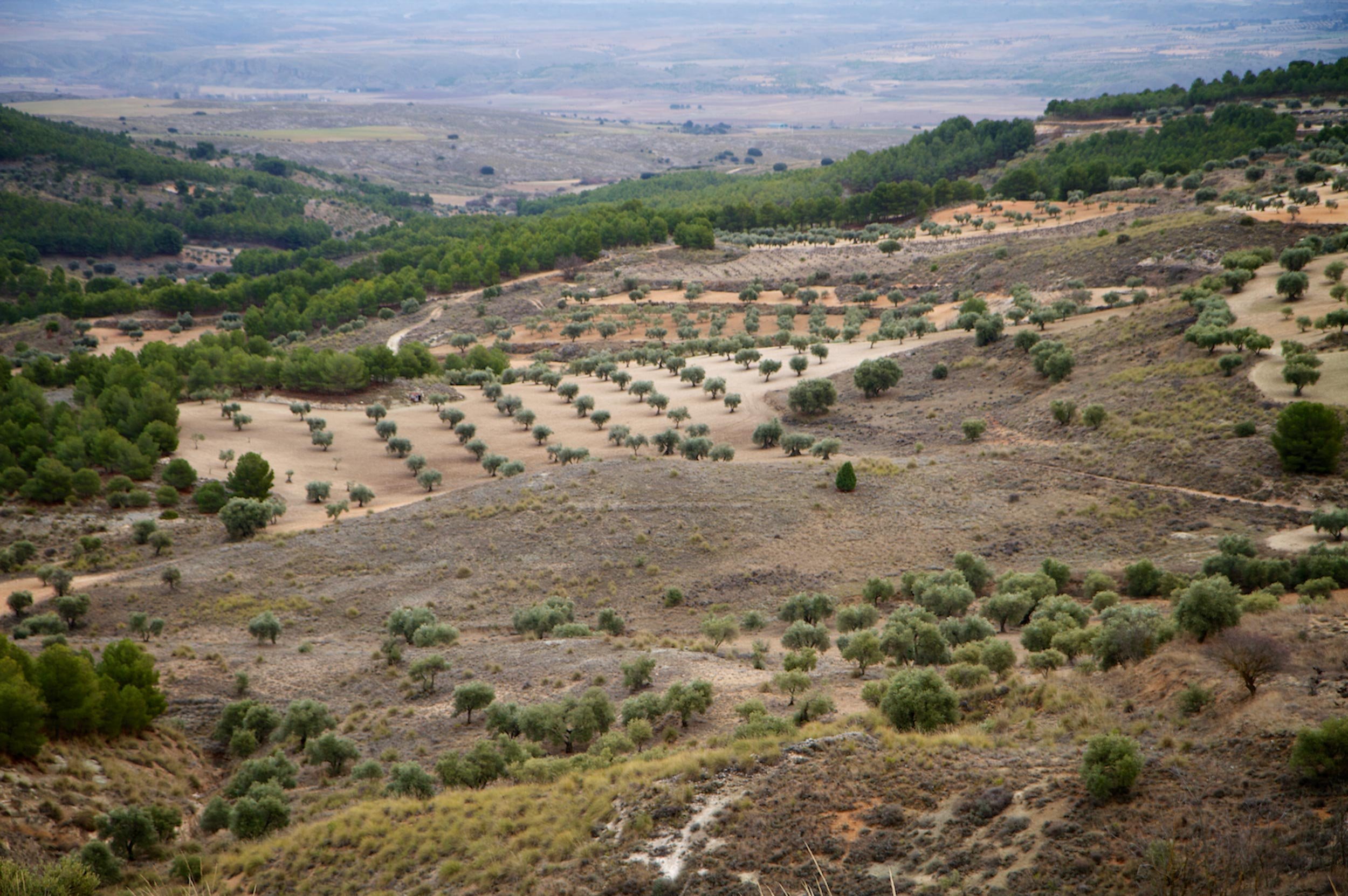
Discover Madrid's World Heritage Sites
Visit the Community of Madrid