
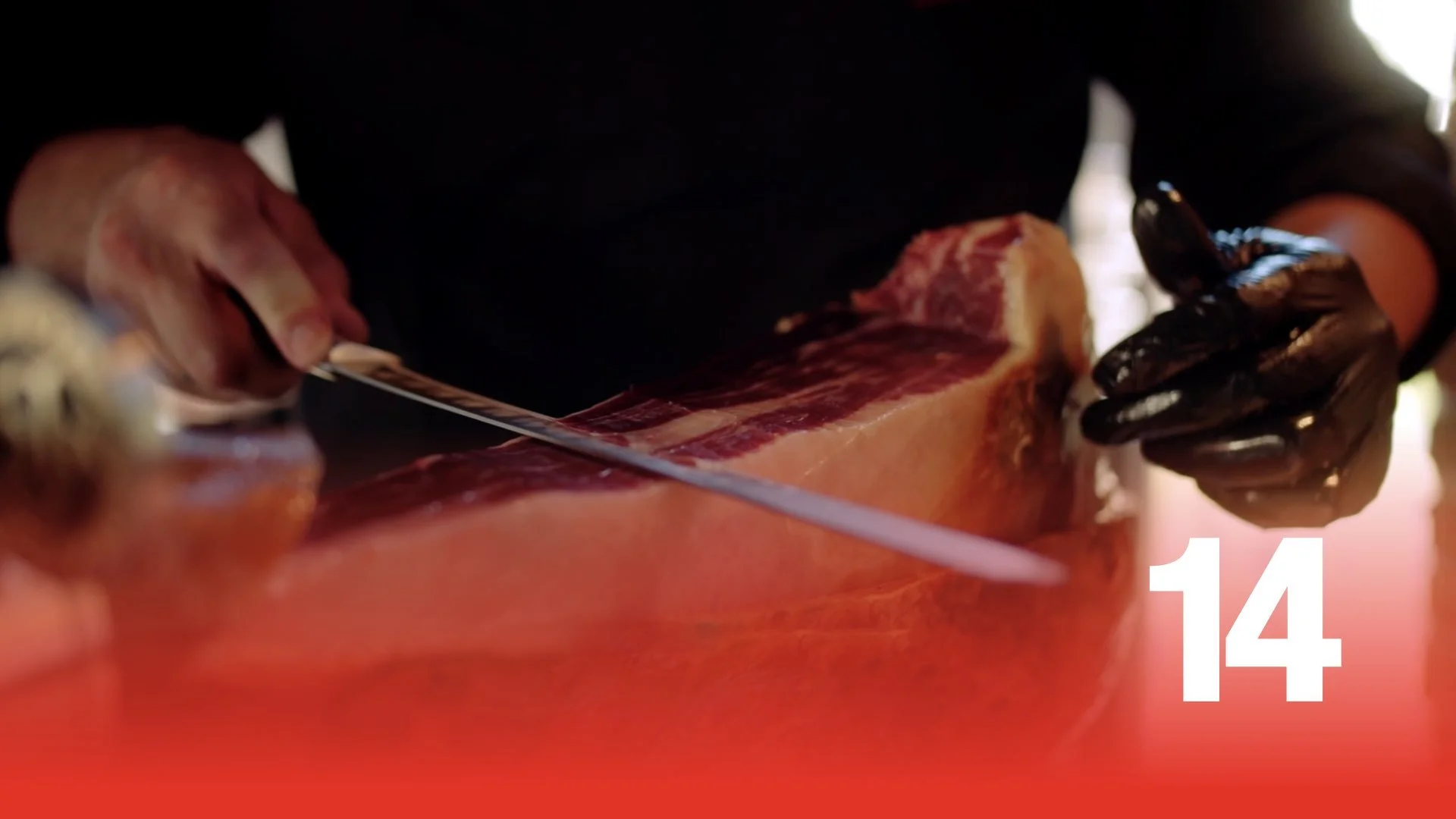
FLAMENCOPEDIA | EPISODE 14
Gastronomic culture
Flamenco and gastronomy are two fundamental expressions of Spanish culture. In 2010, flamenco and the Mediterranean diet were inscribed by UNESCO on the Representative List of the Intangible Cultural Heritage of Humanity. In the tablaos, these two worlds come together naturally: enjoying the show while eating, drinking, and sharing around a table.
Cuisine is part of the experience for many flamenco tablaos in Madrid. Each venue puts its own spin on the cuisine, ranging from tapas and traditional dishes made with quality ingredients to haute cuisine offerings.
Dining at a flamenco tablao There is no single “tablao cuisine.” Gema Serrano, from Torres Bermejas, believes that incorporating it allows visitors to experience not only how flamenco is lived, but also how people eat in Spain.
Gonzalo Mendoza, of Tablao de la Villa, talks about authentic, traditional cuisine based on high-quality ingredients. Melody Nicholls, of Taberna Flamenca El Cortijo, suggests a classic combination: Spanish food, good ham, a Rioja, and a flamenco show. For Antorrín Heredia, from Tablao La Quimera, the key lies in quality and simplicity: “less is more.” A good acorn-fed Iberian ham, Manchego cheese, or fresh produce can complement flamenco without competing with what’s happening on stage. The goal is for visitors to leave feeling that their “body and soul” have been nourished.
From Traditional Products to Haute Cuisine
The diversity of Madrid’s tablaos is also reflected in their culinary offerings. Some focus on traditional, familiar cuisine; others offer a more elaborate menu. In the realm of haute cuisine, one standout is Corral de la Morería, whose culinary offerings have been recognized with a Michelin star. Juan Manuel del Rey also notes that flamenco and the Mediterranean diet were recognized by UNESCO in 2010. At Corral de la Morería, the concept aims to combine a Michelin-level dining experience with a program featuring leading figures in flamenco.
Food and Entertainment
Intimacy is one of the essential characteristics of the performance at a tablao. When cuisine is incorporated into the experience, flavors, aromas, and the very ritual of sharing a table are added to the music and dance. Food and performance must strike a balance. Cuisine complements flamenco and helps create the atmosphere without competing with it. This relationship also ties into a traditional way of experiencing flamenco in Spain: celebrations, gatherings, and get-togethers where singing, playing, dancing, eating, and drinking are all part of a shared experience. Because getting to know a culture also means listening to it, observing it, sharing it, and, on many occasions, sitting down at its table.
Flamencopedia: Discover All the Episodes
"Flamencopedia " is a 15-episode series that explores flamenco through its key figures.
Episode 1: Discovering Flamenco
Episode 2: Madrid, the Capital of Flamenco
Episode 11: The Guitar and Guitar Makers
Episode 12: The Rhythm and the Commotion
Episode 13: Long Live the Show
Episode 14: Food Culture
You might be interested in…

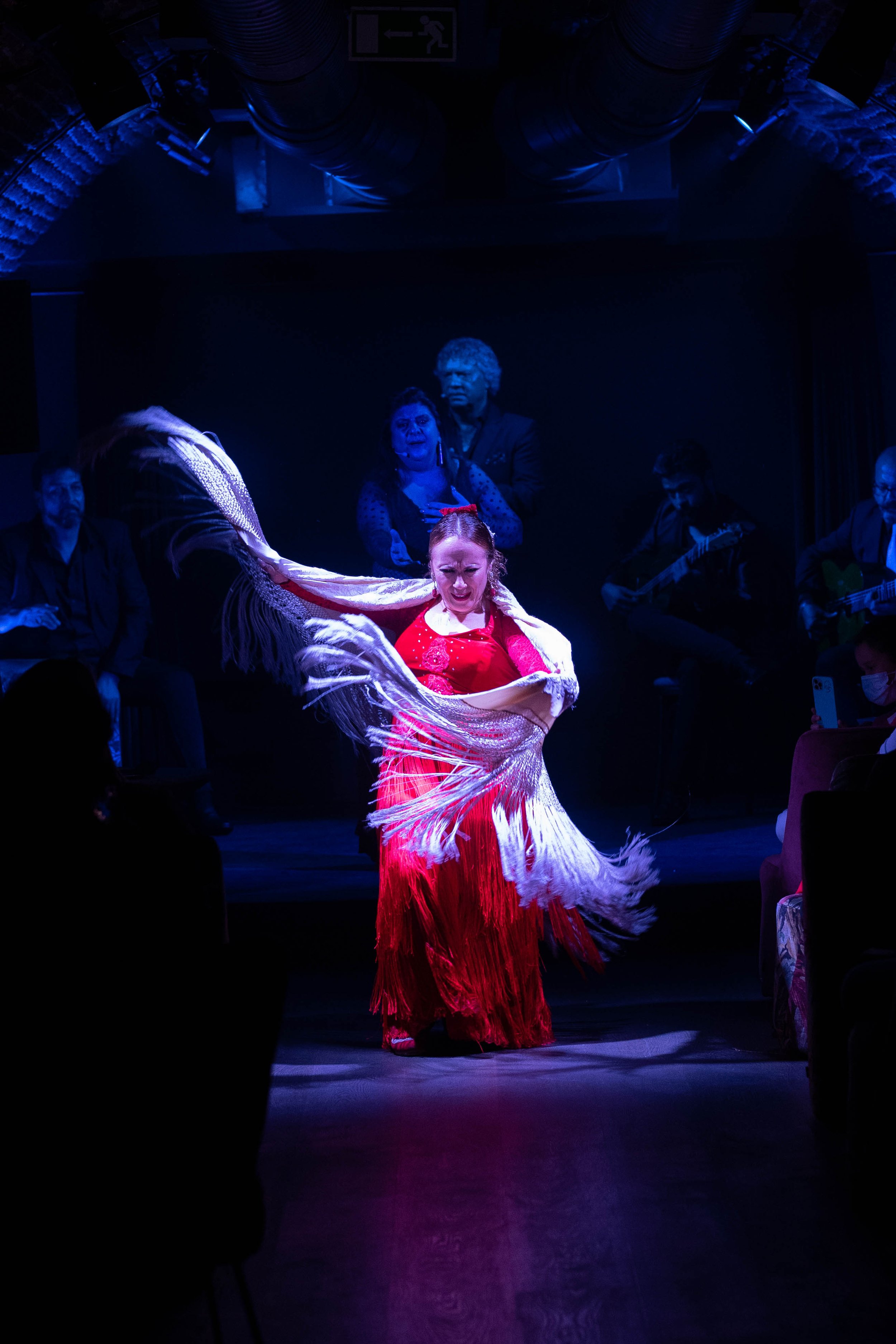
Experience Flamenco at Madrid's Tablaos
Consult the program
for flamenco shows in our tablaos.

Discover Madrid's World Heritage Sites
Visit the Community of Madrid