
An escape to the Roman Empire
Discover, in Madrid, an incomparable historical, cultural and gastronomic legacy.

Roman City of Complutum. Alcalá de Henares
Would you like to complement your trip to the Tablaos Flamencos of Madrid with history and culture? We propose a surprising tour to discover the Roman legacy of the ancient Roman city of Complutum of Alcalá de Henares.
Alcalá de Henares is located only 20 km from Madrid, recognized by UNESCO as a World Heritage City in 1998, standing out for being the first city designed and built especially as the seat of a university and for symbolizing the ideal city, the city of God (civitas Dei), which materialized through its convents and university colleges.
And it is that the city that was home to one of our most universal writers, Miguel de Cervantes was centuries before one of the Roman sites of the Iberian Peninsula. It is for this reason that, when we walk through this city, we are surrounded by a historical and cultural environment of the first line.

Roman Mosaic of Bacchus. Regional Archaeological Museum. Alcalá de Henares
The Roman city of Complutum was founded in the 1st century B.C., and it was during the reign of Emperor Augustus that an urban development project was carried out, drawing on the deep knowledge of urban planning possessed by the Greeks and Romans. To explore the Roman heritage of ancient Complutum that is open to the public, we recommend the Alcalá Romana Step by Step. This 6.5-km route takes approximately 8 hours to complete and includes stops at sites such as The Roman House of Hippolytus, the Forum and Regio II of Complutum—a display of the forum’s remains— the civil basilica, the thermal baths, and the market; the Roman House of the Griffins, a stately urban residence that houses an extremely important collection of mural paintings considered the finest collection of Roman murals on the Iberian Peninsula; the Magistral Cathedral, which includes a climb up its tower; the Regional Archaeological Museum, where you can see everything from paleontological fossils to artifacts from the Industrial Revolution; and the Roman Villa of El Val.

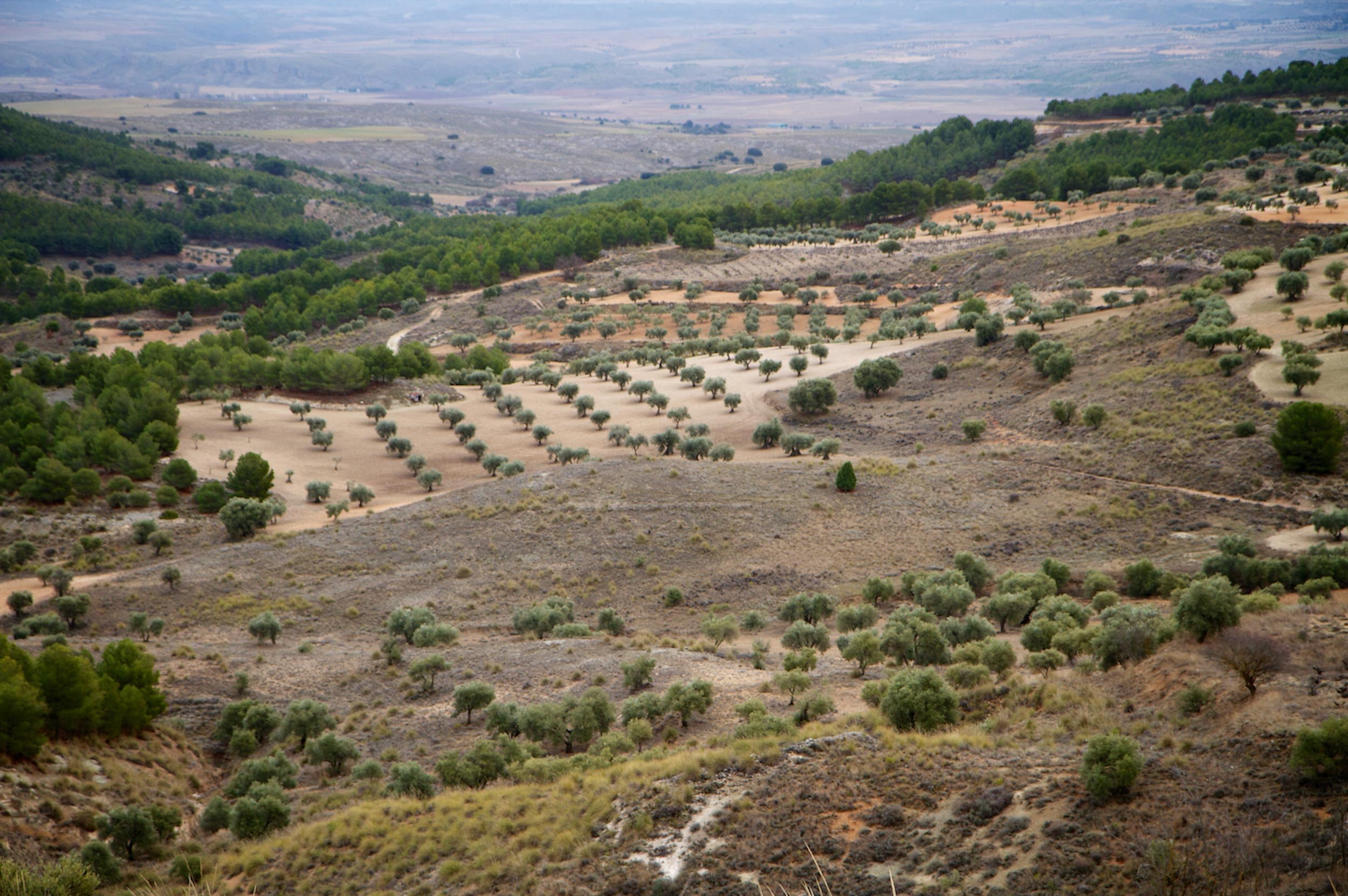
Olive harvesting in José Carlos Velasco's olive grove in the southeast of Region of Madrid.
In addition, you will be pleased to know that the Roman Empire left a clear mark on our gastronomy. The "Mediterranean triad", wheat, vine and olive tree, was the basis of the Mediterranean diet at the time of the Roman Empire, and it is precisely in this area of Madrid where we currently have olive groves, vineyards and cereal fields that serve as testimony to the history of this region. Surely you will have the opportunity to taste products from Alcalá de Henares and surroundings in one of our tablaos, and here you can corroborate it.
You might be interested in…


Experience Flamenco at Madrid's Tablaos
Your event in a
Flamenco Tablao

Learn with our Flamencopedia
Visit the Community of Madrid