
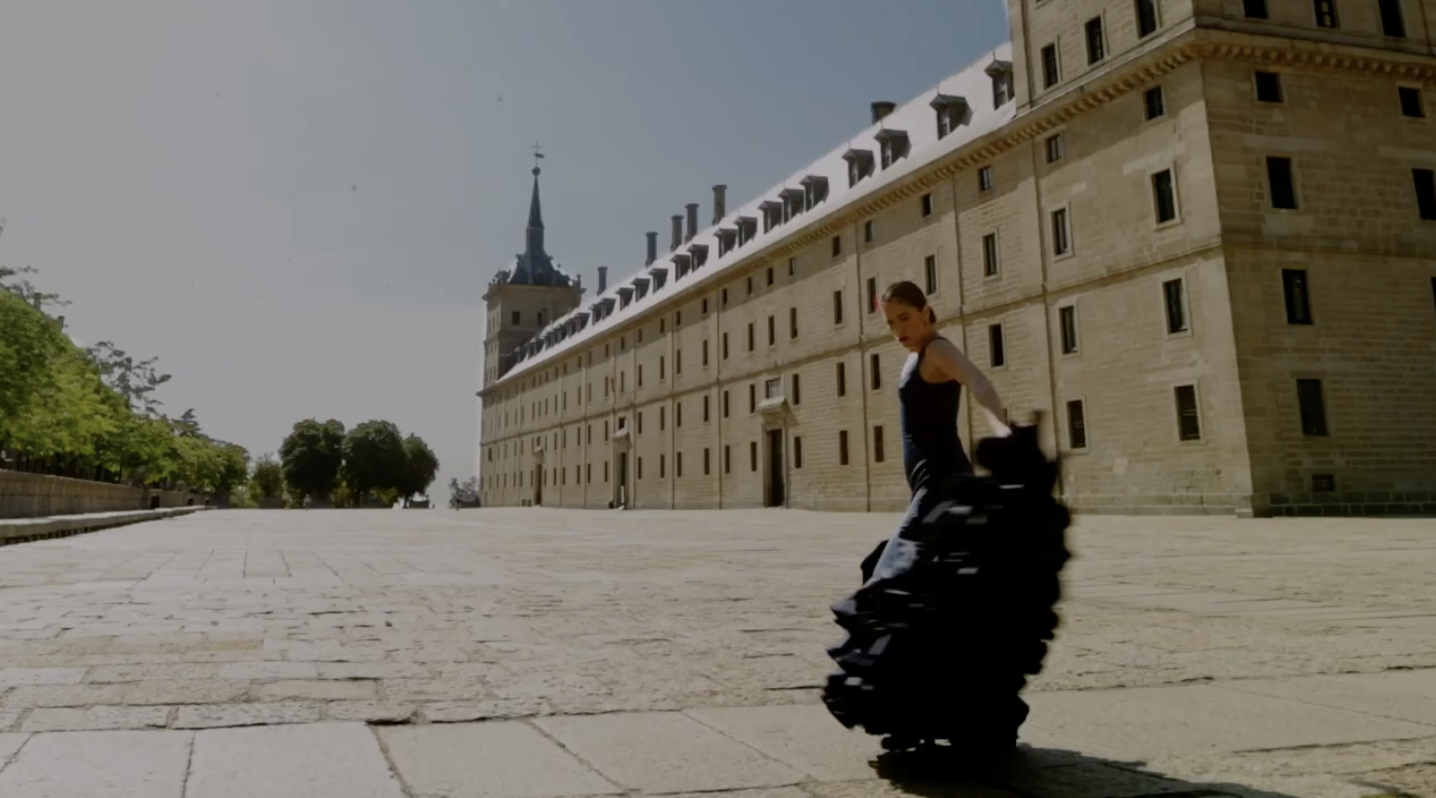
FLAMENCOPEDIA | EPISODE 1
Discovering flamenco
Flamenco took root in southern Spain throughout the 19th century as an artistic expression that brought together various cultural traditions, the Andalusian spirit, and the decisive influence of the Romani people. Singing, guitar, and dance gave shape to a living art form that soon spread from Andalusia to other places, such as Madrid, and that today has a universal reach.
For Javier Andrade, from Teatro Flamenco Madrid, flamenco is precisely a blend of musical styles, cultures, and peoples who have all contributed to it over time. Jonatan Miró, from Flamenco de Leones, draws on his roots in Andalusian folk culture to highlight how flamenco has come to be recognized, cherished, and performed around the world. In this historical development, the Romani contribution is fundamental: percussionist Rafael Jiménez “El Chispas” particularly emphasizes their influence on the rhythmic development of flamenco.
An art born of an encounter
Flamenco is the result of a long process of exchange and transformation. Belén López speaks of an accumulation of cultures and emotions that ultimately converged with Andalusian folklore. From this interplay, unique styles of singing, playing, and dancing emerged, and during the 19th century, the first professional artists helped develop a repertoire that would continue to evolve generation after generation.
This ability to transform itself without losing its roots explains why Jonatan Miró defines flamenco as “living music.” Its history cannot be understood as something static: every era, every performer, and every stage has continued to contribute new ways of expressing it. In 2010, flamenco was inscribed by UNESCO on the Representative List of the Intangible Cultural Heritage of Humanity.
Singing, guitar, and dancing
Flamenco is expressed primarily through singing, guitar, and dance—different forms of expression that come together and interact. Added to these are clapping, percussion, and the shouts of the audience, elements that help create its unique sonic and theatrical universe.
But technique is only part of it. For Belén López, it is an art form with depth, history, and emotion, whose essence lies in its ability to convey meaning. Antonia Moya, of Tablao Flamenco Las Tablas, links it directly to the expression of feelings and emotions, while the dancer Jesús Perona finds in it a way to express himself freely.
A Way of Feeling and Living
Personal definitions show just how far flamenco can transcend the stage. For Eduardo Guerrero, it is “a way of being in this world,” and for Belén López, quite simply, “a way of life.” Gonzalo Mendoza, of Tablao de la Villa, puts it another way: once flamenco “gets into your veins,” it’s hard to escape it.
That ability to stir the emotions also explains its connection with the audience. Juan Manuel del Rey, of Corral de la Morería, defines it as an art form that you have to let yourself be carried away by, and he recalls the intensity with which many audience members later describe their experience. Beyond simply knowing its conventions, discovering flamenco means immersing oneself in a culture where tradition, emotion, and creativity continue to come together every time someone sings, plays, or dances.
Flamencopedia: Discover All the Episodes
Flamencopedia is a 15-episode series that explores flamenco through the eyes of its key figures.
Episode 1: Discovering Flamenco
Episode 2: Madrid, the Capital of Flamenco
Episode 11: The Guitar and Guitar Makers
Episode 12: The Rhythm and the Commotion
You might be interested in…

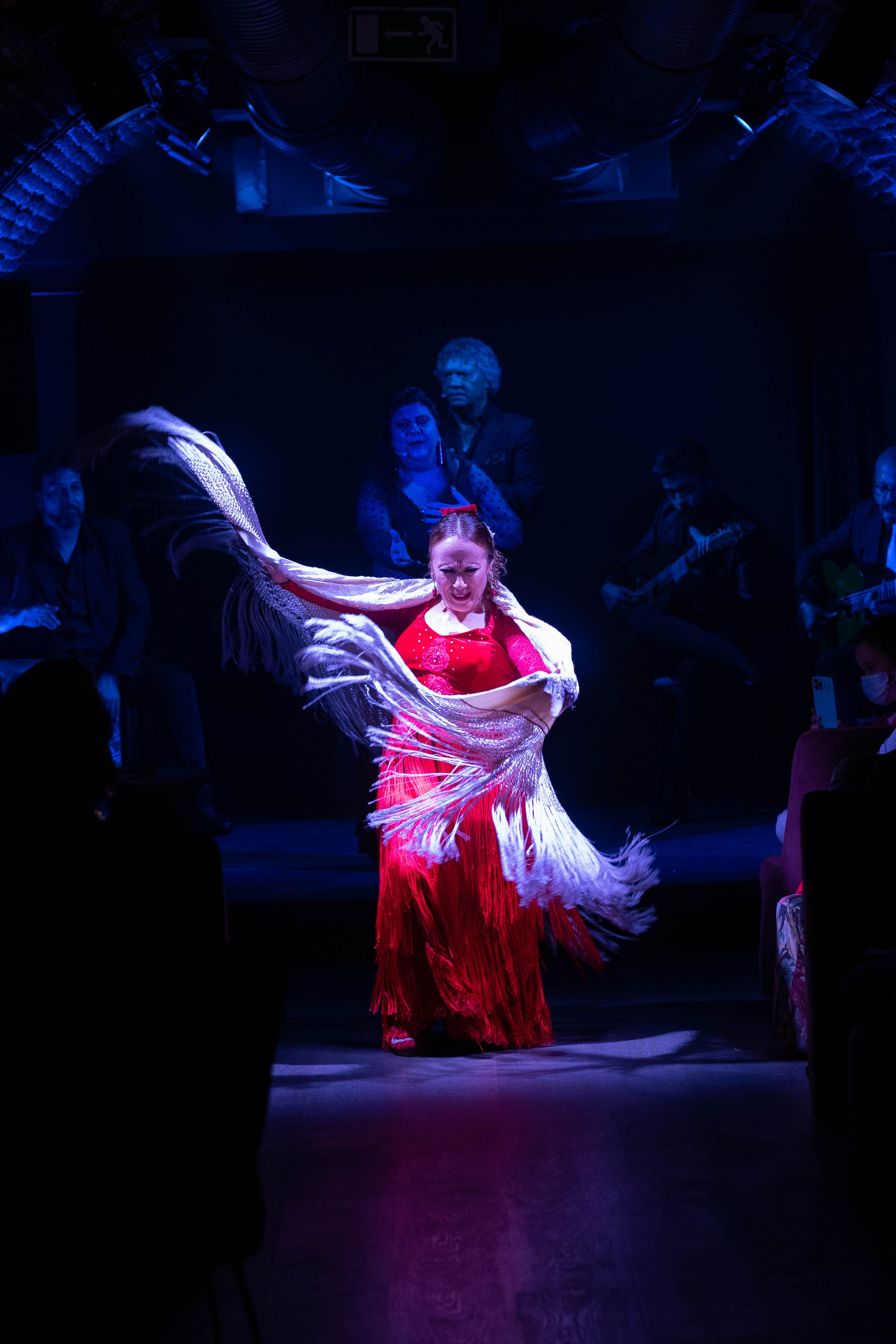
Experience Flamenco at Madrid's Tablaos
Consult the program
for flamenco shows in our tablaos.

Discover Madrid's World Heritage Sites
Visit the Community of Madrid