
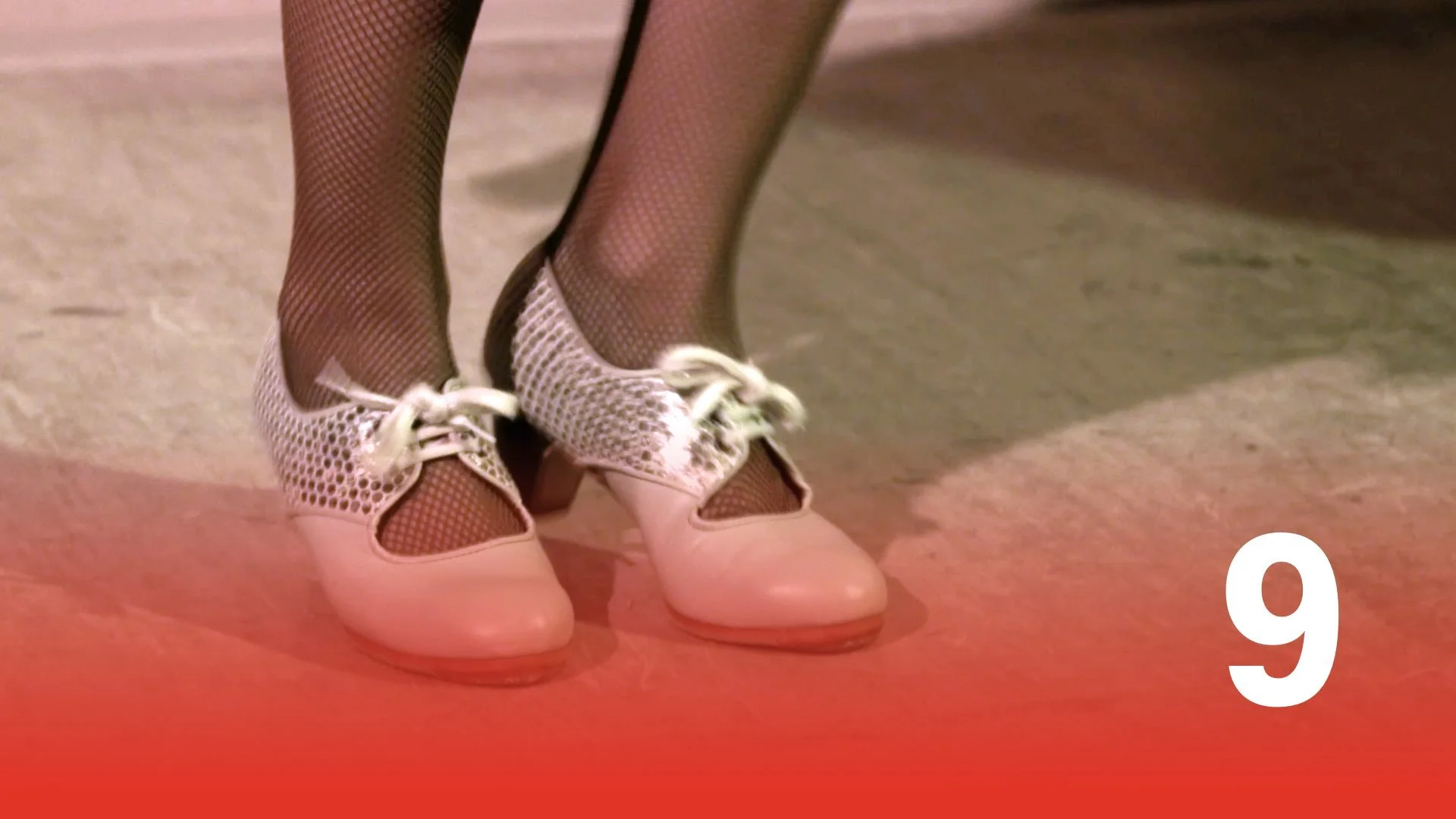
FLAMENCOPEDIA | EPISODE 9
The movement
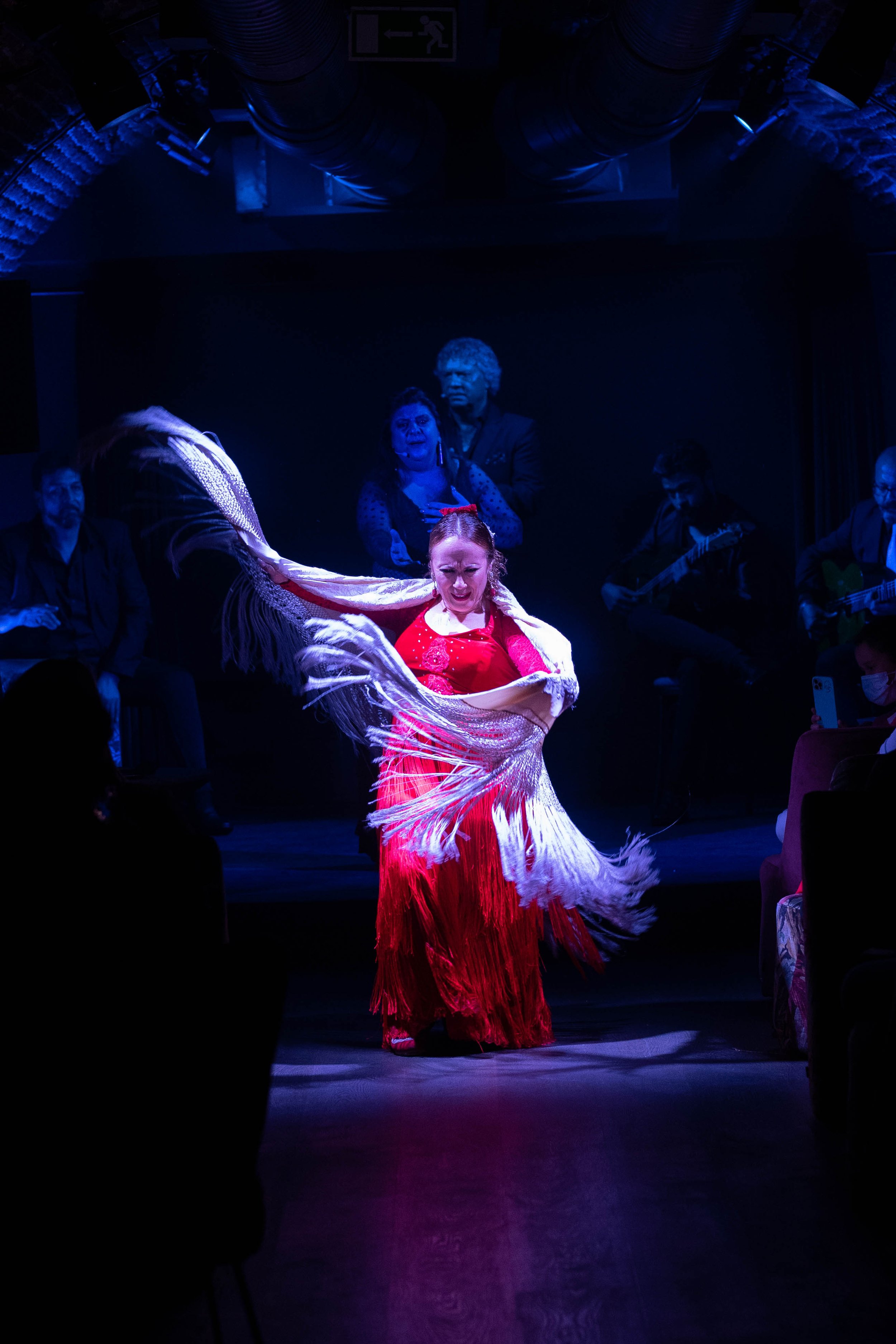
In flamenco dance, the entire body is involved. The feet can serve as percussion, the hands trace the movement, and a glance, a gesture, or a pause can be just as powerful as a foot stomp. Flamenco movement combines technique and expression to create a language in which each dancer develops their own personality.
For Eduardo Guerrero, the body offers countless possibilities for self-expression and making music. Movement isn’t just about stringing together steps: it can accompany the singing, interact with the guitar, set the rhythm, or come to a complete stop. That interplay between sound and silence is part of the richness of flamenco dance.
Marking, footwork, and finishing
Flamenco dance employs techniques that help structure what happens on stage. The “marcaje” accompanies the progression of the singing and the rhythm; the “zapateado” turns the feet into a rhythmic instrument; and the “remate” serves to conclude or emphasize a musical phrase. Carmen Coy highlights how these elements constantly combine and take on different meanings depending on the moment and the artist.
The body also plays a role in creating the rhythm. The sound of the feet blends with the clapping, the guitar, and the percussion within the flamenco rhythm. The dancer does not merely move to the music; at certain moments, he or she also becomes part of it.
The eyes and facial expressions dance, too
Not all flamenco movements need to be grand or spectacular. Belén López highlights the expressive power of a glance, a hand gesture, or a pause. Jesús Perona also emphasizes the importance of finding a personal way of moving and occupying the stage. A performer’s presence can be built on strength, but also on stillness.
This expressive dimension also introduces a theatrical element. The dancer communicates through his body and establishes a connection with both the other performers and the audience. Technique, gesture, and personality ultimately come together to form a single language.
When Movement Connects
Each performer develops that language based on their training, influences, and experience. Jonatan Miró, from Flamenco de Leones, highlights flamenco’s ability to evolve and absorb new perspectives, while Nino de los Reyes represents a generation of dancers who draw on tradition to forge their own unique style.
At a flamenco venue, that connection is particularly evident. Juan Manuel del Rey, from the Corral de la Morería, highlights the intimacy that allows the audience to perceive every gesture and every reaction. At that distance, a stomp can convey immense power, but so can a completely still body. In flamenco, moving and standing still are part of the same language.
Flamencopedia: Discover All the Episodes
"Flamencopedia " is a 15-episode series that explores flamenco through its key figures.
Episode 1: Discovering Flamenco
Episode 2: Madrid, the Capital of Flamenco
Episode 9: The Movement
Episode 11: The Guitar and Guitar Makers
Episode 12: The Rhythm and the Commotion
You might be interested in…

Experience Flamenco at Madrid's Tablaos
Consult the program
for flamenco shows in our tablaos.

Discover Madrid's World Heritage Sites
Visit the Community of Madrid