
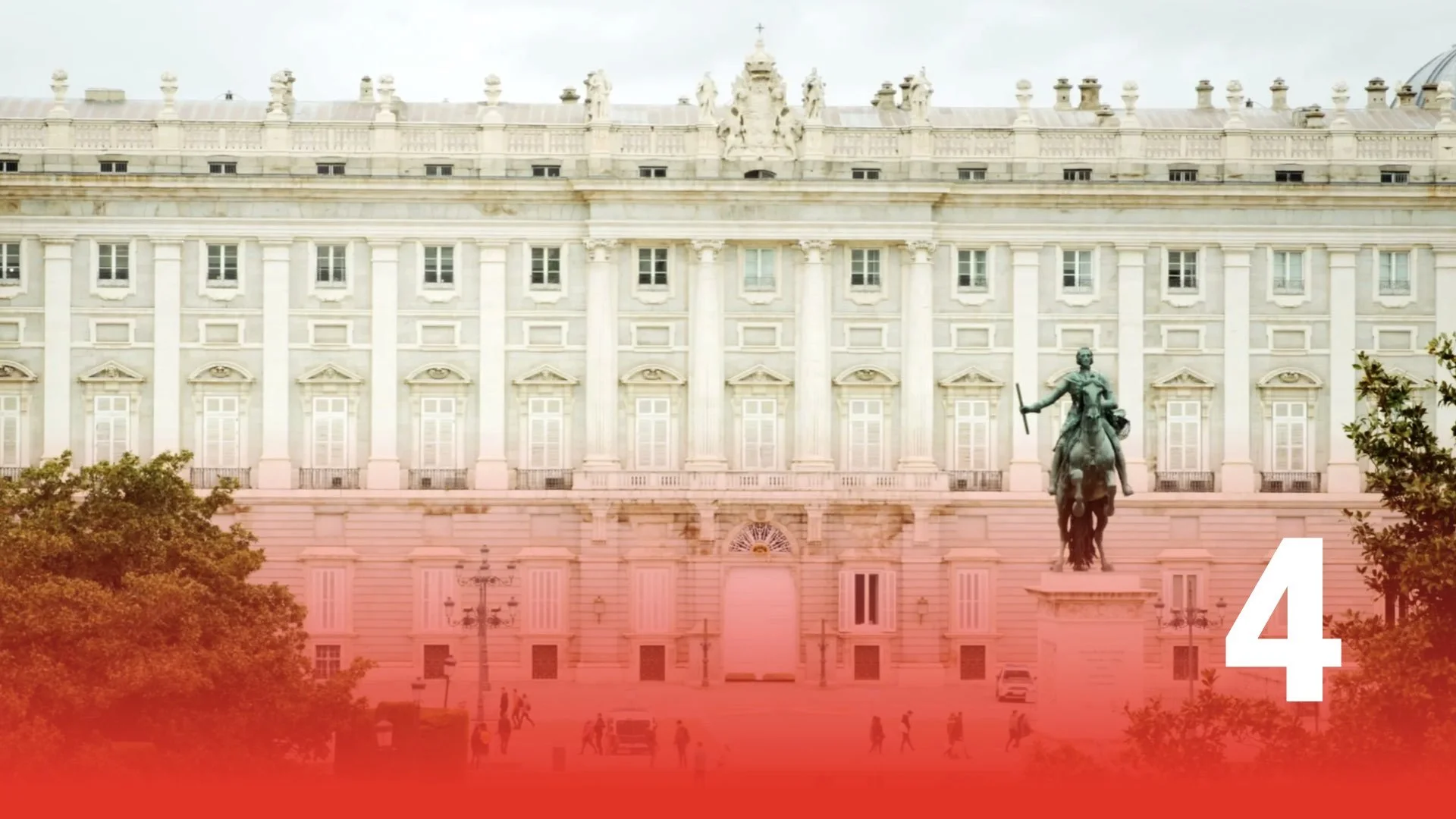
FLAMENCOPEDIA | EPISODE 4
The tablaos of Madrid
Madrid has played a pivotal role in the history of flamenco, and its tablaos are part of that legacy. For decades, these venues have brought together leading figures and new generations of artists, turning the city into a place of encounter, learning, and creation.
The relationship between Madrid and flamenco was particularly strengthened by the rise of the tablaos in the mid-20th century. As the successors to the old cafés cantantes, they offered a regular program and created spaces where artists from different places could come together every night. That history goes a long way toward explaining why Madrid remains one of the great centers of flamenco today.
Madrid, the heart of flamenco
Madrid's tablaos have historically served as a meeting place for established artists and those just starting their careers. Caro Fernández, from Taberna Flamenca El Cortijo, and Antorrín Heredia, from Tablao La Quimera, highlight the vibrant nature of these venues, where flamenco is passed down directly from one generation to the next. The dancer Nino de los Reyes embodies this very continuity: artists who have grown up immersed in the tablaos and find in them a stage on which to develop their own artistic language.
This concentration of performers has helped make Madrid a professional hub. The tablaos are not merely venues for performances, but spaces for learning and artistic collaboration where singing, guitar playing, and dancing evolve through constant interaction among the performers.
Great Performers on Madrid's Stages
Some of the most important figures in the recent history of flamenco have graced the stages of Madrid. Juan Manuel del Rey, from the Corral de la Morería, recalls the presence of great figures over the decades and the role these venues have played in their careers. The guitar holds a prominent place in those memories: artists like Paco de Lucía also found in the tablaos an essential space to develop and showcase their art.
The continuity between those great names and today's performers helps us understand the flamenco tablaos in Madrid as part of a tradition that remains alive today. They are not merely historic venues: they continue to offer regular flamenco performances and foster new connections between artists and audiences.
Thirteen tablaos, different ways to experience flamenco
Each tablao has its own history, personality, and way of presenting the show. Jonatan Miró, from Flamenco de Leones, and Gema Serrano, from Torres Bermejas, offer two examples of this diversity in a city where historic venues coexist with newer ones. The architecture, programming, cuisine, and the way they engage with the audience may vary, but they all share a close connection between spectators and artists.
This variety allows you to discover different ways of experiencing an art form that is created live. Understanding what a tablao is also helps us understand the role these venues have played in Madrid: places where a tradition is preserved, but where every night flamenco unfolds anew in a different way.
Flamencopedia: Discover All the Episodes
"Flamencopedia " is a 15-episode series that explores flamenco through its key figures.
Episode 1: Discovering Flamenco
Episode 2: Madrid, the Capital of Flamenco
Episode 4: Madrid's Tablaos
Episode 11: The Guitar and Guitar Makers
Episode 12: The Rhythm and the Commotion
You might be interested in…

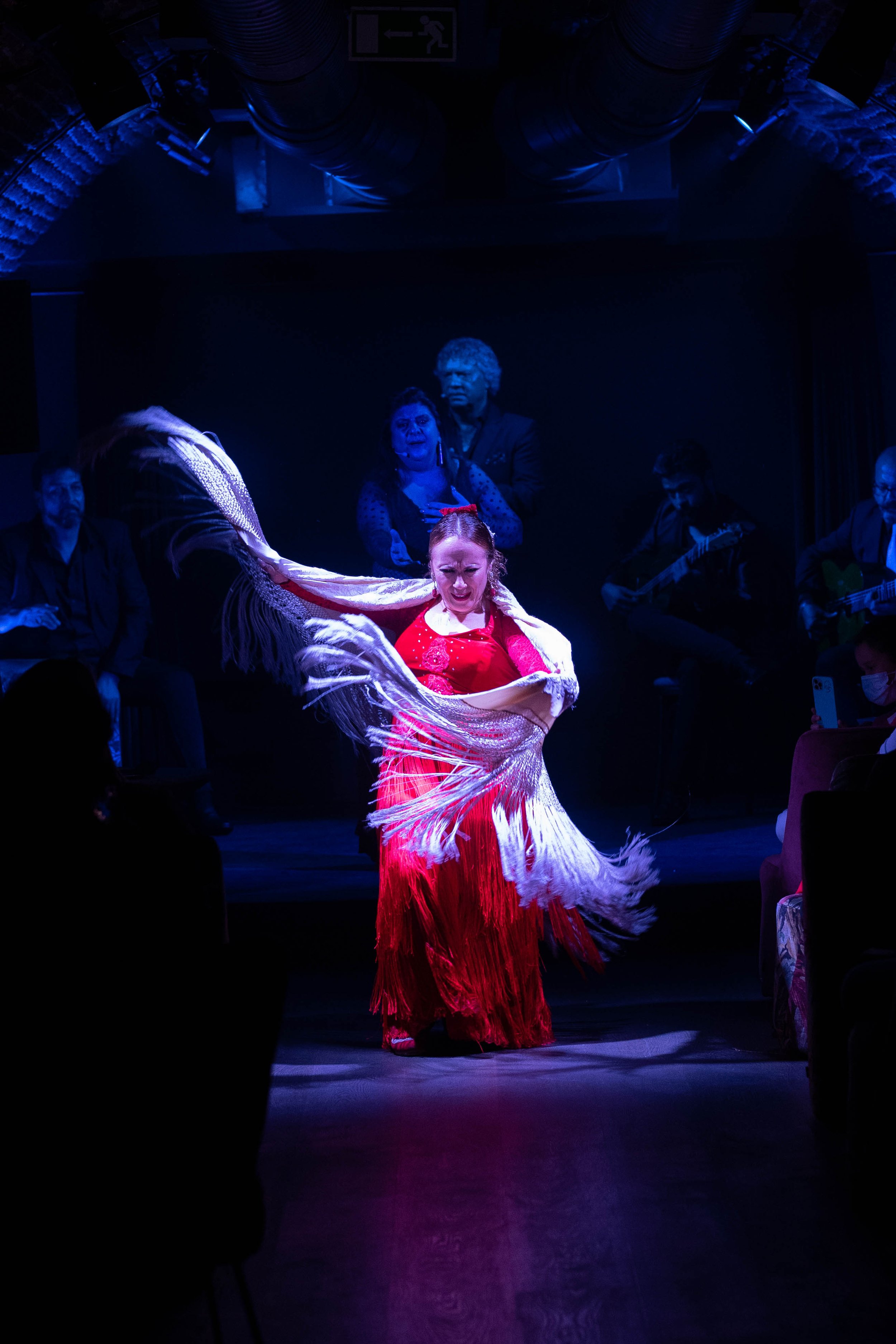
Experience Flamenco at Madrid's Tablaos
Consult the program
for flamenco shows in our tablaos.

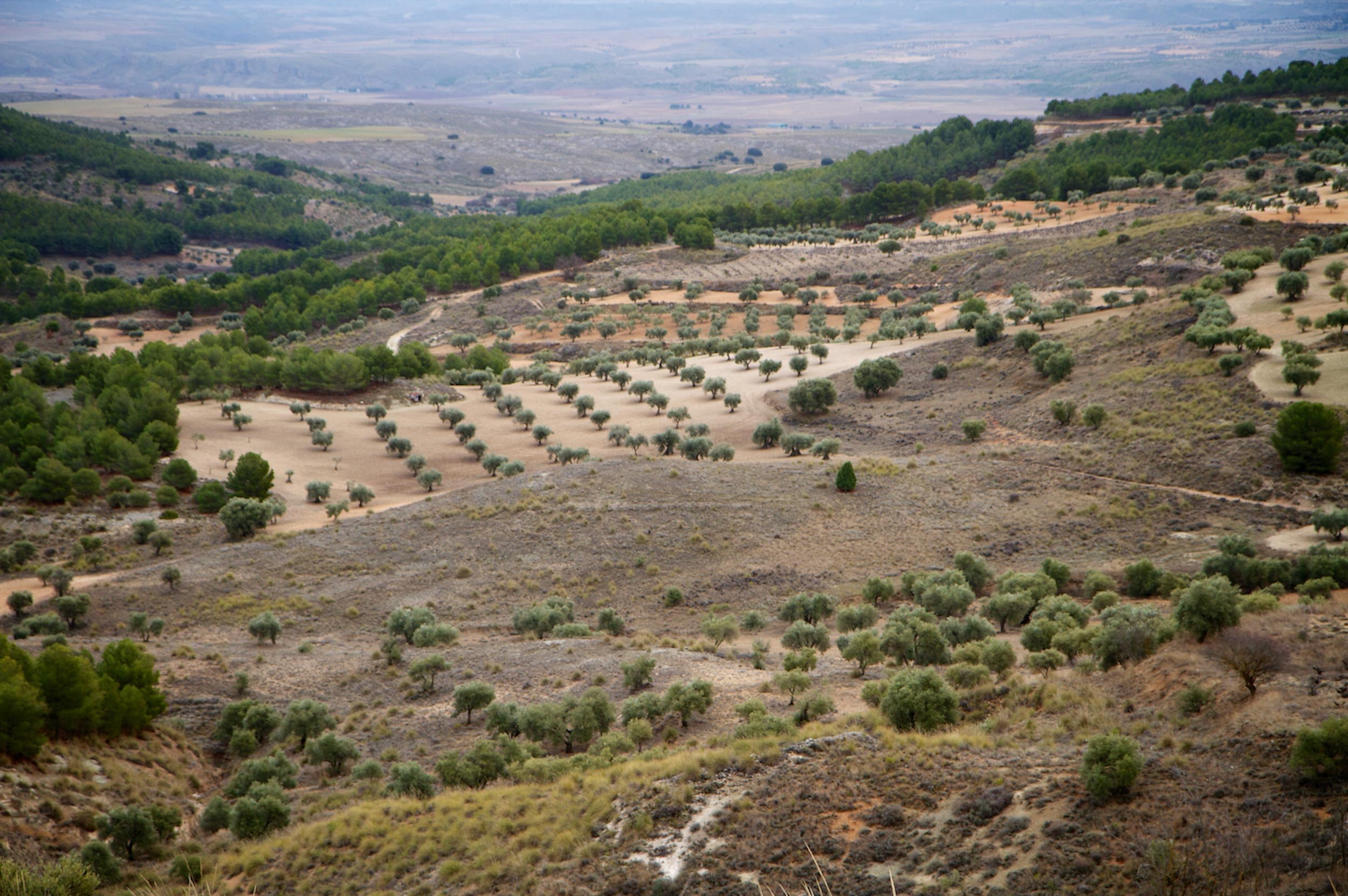
Discover Madrid's World Heritage Sites
Visit the Community of Madrid