
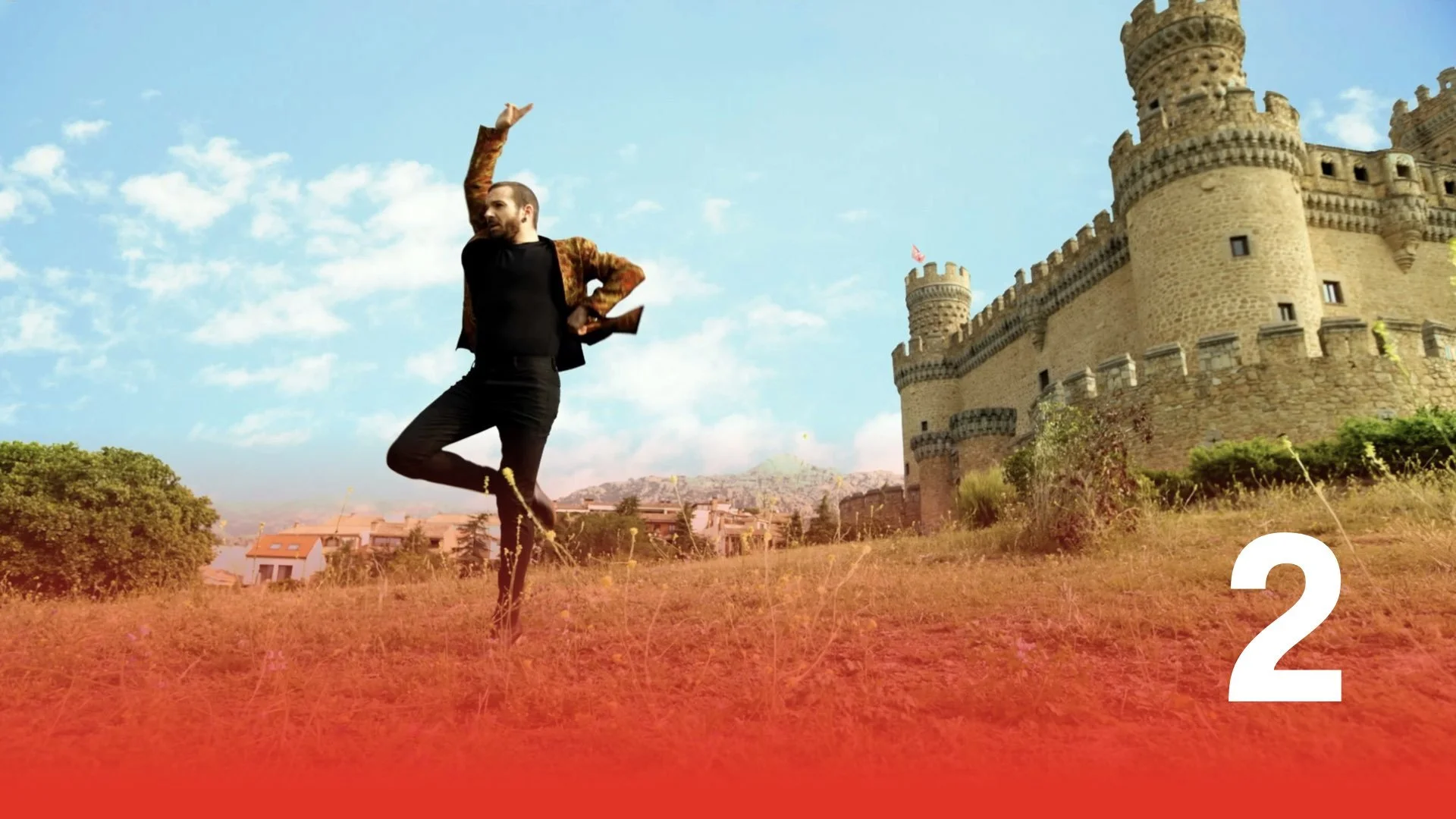
FLAMENCOPEDIA | EPISODE 2
Madrid, flamenco capital
Flamenco has been a part of Madrid since its earliest days. Its cafés cantantes, theaters, and, above all, its tablaos have played a pivotal role in its history and have made the city a gathering place for artists from all over Spain.
Styles originating in Andalusia quickly found an audience in a city where song and dance were already part of popular culture. With the development of cafés cantantes and theaters, the formation of major dance companies, and, later, the proliferation of tablaos in the mid-20th century, Madrid established itself as a major center for the creation, performance, and dissemination of flamenco.
Madrid, a destination for flamenco artists
“From Madrid to Heaven,” recalls Antorrín Heredia of Tablao La Quimera, explaining the historical significance of performing in the capital. For Javier Andrade, of Teatro Flamenco Madrid, artists who wanted to succeed set their sights on Madrid as a goal, while Juan Manuel del Rey, from the Corral de la Morería, recalls that the city’s stages have hosted the great figures of flamenco from recent decades—and that they continue to arrive, drawn by the significance of its audience.
That concentration of talent has also created a particularly demanding environment. Blanca del Rey highlights the high level of artistic competition that has always existed in Madrid and quotes a well-known phrase attributed to Picasso to express the need for constant preparation: “May the duende find me working.”
A city where flamenco happens every day
Madrid continues to offer opportunities to successive generations of artists. The flamenco singer Cristina Soler highlights precisely the opportunity to perform on stage every day—something closely tied to the city’s wide range of cultural and recreational offerings, which, as Jonatan Miró points out, Flamenco de Leones, remains bustling day and night. For him, Madrid serves as a hub where outstanding performers from different places come together.
The flamenco venues in Madrid play a fundamental role in that continuity. Gemma Serrano, from Torres Bermejas, highlights just how present flamenco is in different corners of the city, while Caro Fernández, from Taberna Flamenca El Cortijo, recalls a traditional expression still heard in the jaleos: “Olé Madrid, que es la corte.”
The tablaos: a part of Madrid's flamenco history
The emergence and establishment of tablaos during the 20th century reinforced Madrid’s role as a meeting place for artists, aficionados, and international audiences. These venues offered a regular program of performances and allowed different generations to share the stage, develop their careers, and keep alive an art form that is also based on direct transmission.
That tradition continues today in a city that offers a wide variety of shows throughout the year. Learn what a tablao is and exploring the history of Madrid’s tablaos helps you understand why the relationship between Madrid and flamenco isn’t just a thing of the past: it continues to be forged every night on their stages.
Flamencopedia: Discover All the Episodes
"Flamencopedia " is a 15-episode series that explores flamenco through its key figures.
Episode 1: Discovering Flamenco
Episode 2: Madrid, the Capital of Flamenco
Episode 11: The Guitar and Guitar Makers
Episode 12: The Rhythm and the Commotion
You might be interested in…

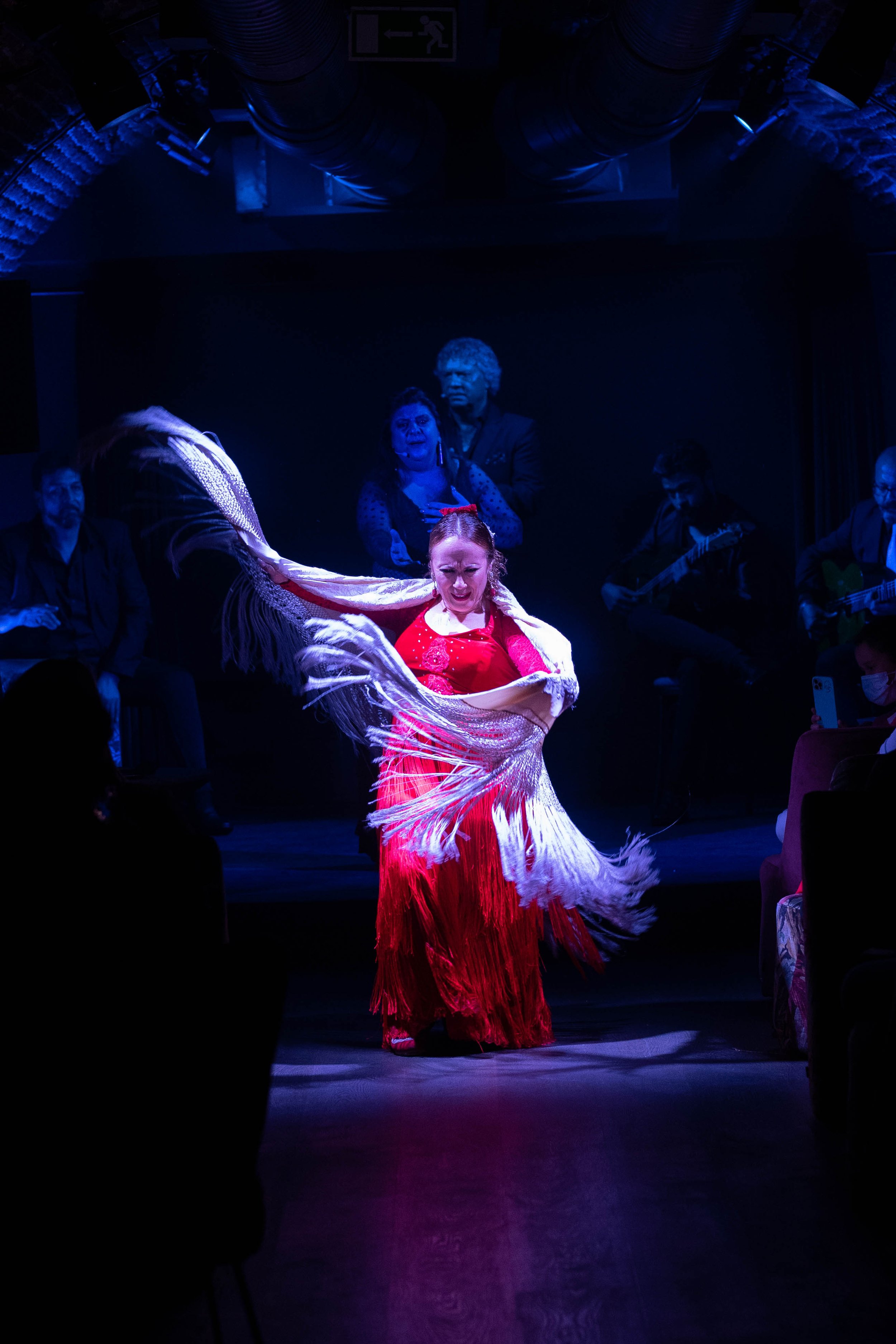
Experience Flamenco at Madrid's Tablaos
Consult the program
for flamenco shows in our tablaos.

Discover Madrid's World Heritage Sites
Visit the Community of Madrid